Understanding Deepfake Technology in Meetings
In an increasingly digital world, the emergence of deepfake technology poses significant challenges to corporate communication, especially in the realm of video conferencing. As global remote work surges, companies face an escalating risk of deepfake impersonation in meetings, potentially leading to security breaches and misinformation. To address these challenges, Deepfake-protected meetings have emerged as a critical solution, combining advanced AI detection systems with robust security protocols to ensure trustworthy interactions among participants.
What are Deepfake-Protected Meetings?
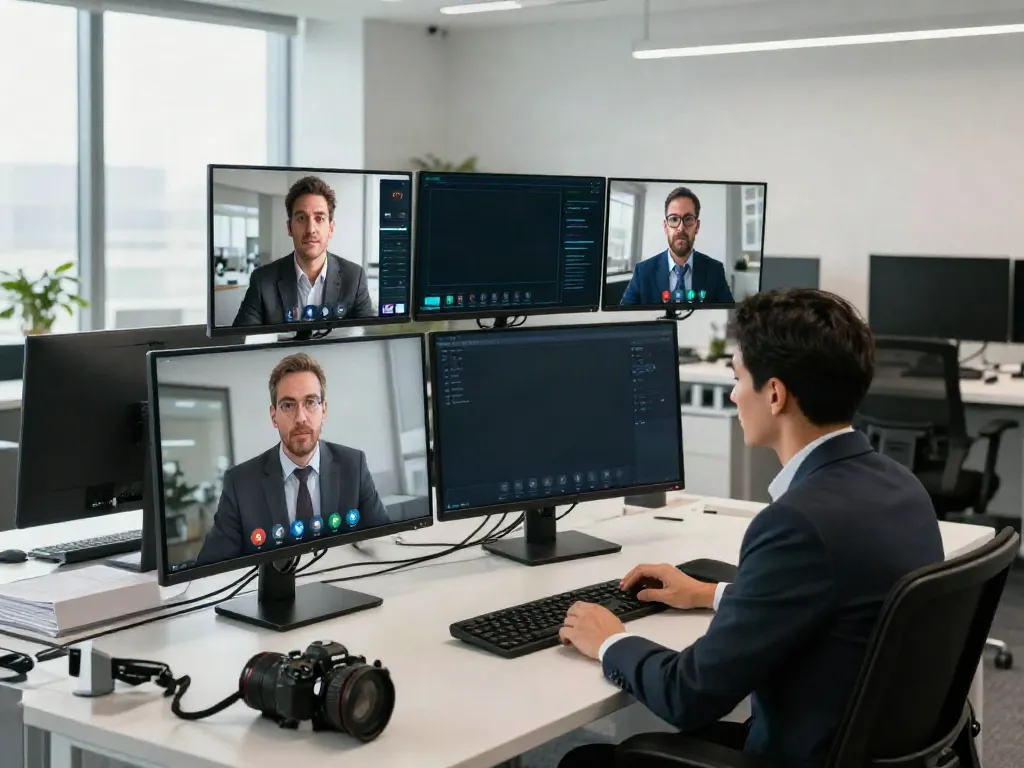
Deepfake-protected meetings refer to virtual gatherings that employ technology specifically designed to detect and prevent the use of manipulated audio and video content. These meetings utilize machine learning algorithms to identify deepfakes during live video sessions, thereby ensuring that attendees are interacting with legitimate participants. This protective layer is crucial as it can guard against impersonation scams that may not only jeopardize sensitive information but also damage reputations.
How Deepfake Technology Works
Deepfake technology relies on deep learning, a subset of artificial intelligence, which uses neural networks to create realistic-looking fake videos or audio recordings. By training on large datasets, these algorithms learn to replicate the nuances of human speech, movement, and expression. When deepfake technology is employed maliciously, it can create videos that appear authentic, making it challenging to discern real from fake. In the context of meetings, this poses a threat—an impersonator can seamlessly infiltrate conversations, extracting confidential information or issuing unauthorized directives.
Risks of Deepfake Usage in Business
The risks associated with deepfake technology in business settings are manifold. Key concerns include:
- Impersonation Scams: Attackers can mimic executives or important stakeholders, leading to fraud and operational disruption.
- Data Breaches: Malicious entities may exploit deepfake technology to access confidential corporate data by man-in-the-middle tactics.
- Reputational Damage: A successfully executed deepfake can tarnish a company’s reputation if sensitive information is leaked or if misinformation spreads.
- Legal Liabilities: Organizations may face legal repercussions if deepfake-related incidents lead to breaches of security or regulatory compliance.
Pros of Deepfake-Protected Meetings
Enhanced Security Features
One of the most significant advantages of deepfake-protected meetings is the advanced security features they provide. With integrated AI systems capable of real-time analysis, these platforms can detect anomalies in video feeds, ensuring only authenticated individuals participate. This capability significantly reduces the risk of impersonation attempts.
Improved Trust and Transparency
Incorporating deepfake protection enhances trust among team members and stakeholders. When employees are confident that their virtual meetings are secure, it fosters an environment of transparency and open communication, leading to more productive discussions and decision-making processes.
Technology Adoption and Workplace Efficiency
Organizations that adopt deepfake protection technologies often see improved workplace efficiency. By mitigating the risks associated with deepfakes, employees can focus on their tasks without the added concern of security breaches. This technology streamlines communication protocols while ensuring that sensitive discussions are safeguarded.
Cons of Deepfake-Protected Meetings
Cost Implications for Implementation
While the benefits of deepfake protection are clear, the costs associated with implementing such systems can be a concern for many organizations. High-quality deepfake detection technology can require significant investment in both software and training, potentially placing a strain on budgets, especially for smaller companies.
Challenges in User Adaptation
The introduction of new technologies often comes with a learning curve. Employees may face challenges in adapting to deepfake-protected meeting protocols, particularly if they are not tech-savvy. Organizations must invest in comprehensive training programs to ensure that all team members are proficient in using the new systems effectively.
Potential for Misuse or Over-reliance
There exists a potential risk that employees may become overly reliant on deepfake protection technologies, leading to complacency in personal vigilance. Organizations must actively promote a culture of awareness and critical thinking, encouraging team members to question suspicious activities, rather than solely deferring to automated systems.
Best Practices for Hosting Deepfake-Protected Meetings
Implementing Security Protocols
To maximize the effectiveness of deepfake protection, firms should establish comprehensive security protocols. This includes multi-factor authentication for meeting access, use of secure networks, and continuous monitoring for suspicious activities.
Training Staff on Security Measures
Regular training sessions are essential for keeping employees updated on the latest security measures in place. Organizations should create detailed guidelines on how to approach suspected deepfake instances and reinforce the importance of safeguarding sensitive information.
Regular Assessments of Security Software
Conducting frequent assessments of the effectiveness of deepfake protection software is crucial. This involves testing the AI systems against evolving deepfake technologies and ensuring that the organization remains one step ahead of potential security threats.
Future Trends in Deepfake Technology and Meeting Security
Emerging Technologies in Video Conferencing
The landscape of video conferencing is rapidly evolving, with emerging technologies enhancing the capabilities of deepfake protection. Innovations such as biometric authentication, which uses unique physical traits for verification, are expected to complement existing security measures, further securing meetings against unauthorized access.
Legal and Ethical Considerations
As deepfake technology continues to advance, legal frameworks are also evolving. Companies must navigate the complexities of compliance with regulations surrounding synthetic media, which may differ between jurisdictions. Ethical considerations regarding privacy and consent will also play a vital role in shaping policies around virtual meetings.
Predictions for the Workplace in 2026
Looking ahead to 2026, deepfake technology is likely to be integrated into a broader range of enterprise applications. As companies become more adept at using these technologies, we can expect a higher standard for security measures in meetings. The evolution of AI will continue to shape how organizations approach communication, ensuring teams remain connected, secure, and productive in an increasingly digital landscape.