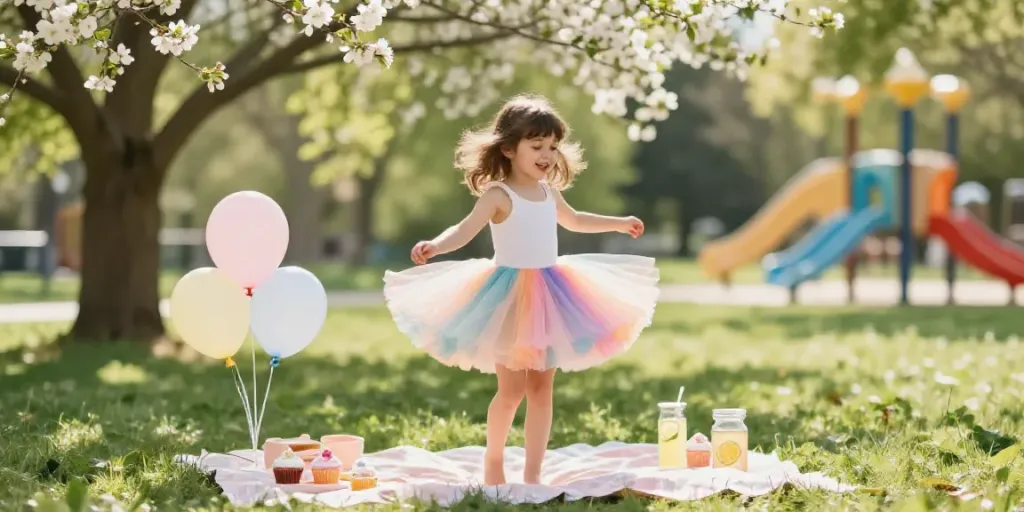
The Fascinating World of Tutus and Dance
Tutus have long been a symbol of grace, artistry, and the magical world of dance. Originating in the early 19th century, this iconic garment has evolved not only in style but also in cultural significance across various genres and performances. The tutu serves as a critical aspect of a dancer's wardrobe, enhancing the visual appeal of their movements while also embodying the spirit of performances that capture audiences worldwide. As you explore the enchanting realm of tutus, tutu-store.com offers a rich array of options for aspiring ballerinas and dance enthusiasts alike. By delving into the history, styles, and cultural impact of tutus, we can appreciate their enduring legacy and find the perfect piece that resonates with our personal style.
History and Evolution of the Tutu
The tutu's journey began in the early 1800s, specifically during the Romantic ballet era. The original designs were often made of muslin and featured a long, flowing skirt that created an ethereal effect as dancers moved. Early ballerinas like Marie Taglioni popularized this style in famed productions such as "La Sylphide." The transition to the modern tutu, with its shorter, more structured design, came in the late 19th century, largely due to the influence of choreographers like Marius Petipa. These new designs allowed for greater freedom of movement and showcased the dancer’s technique more effectively.
By the 20th century, tutus had undergone significant transformations, leading to the creation of various styles that cater to different dance forms, including classical ballet, contemporary dance, and even theatrical performances. Today, tutus can be found in a range of materials—from traditional tulle to modern synthetic blends—reflecting the versatility and adaptability of this iconic garment.
Understanding Different Tutu Styles and Their Uses
Tutus come in several distinct styles, each serving a unique purpose within the world of dance. Let's explore some of the most popular types:
- Classical Tutu: Characterized by its flat bodice and voluminous skirt, the classical tutu is often worn in ballet performances. This style is designed to showcase a dancer's technique and the beauty of their lines.
- Soft Tutu: This variant features a softer, more flowing design that allows for a greater range of movement. Soft tutus are commonly used in contemporary and lyrical dance forms.
- Romantic Tutu: Longer and more flowing than its counterparts, the romantic tutu is often associated with ballets depicting love stories, such as "Giselle." This style enhances the visual drama of the performance.
- Character Tutu: Used in character dances that often involve storytelling, these tutus reflect the dance's specific theme, featuring various colors and designs.
Celebrating Global Tutu Traditions
Tutus are not just confined to Western ballet; they have transcended geographical boundaries and influenced dance traditions globally. In African and South Asian dance forms, similar garments are employed, adorned with vibrant colors and intricate embellishments. For instance, the Bharatanatyam dance form from India incorporates elaborate costumes with layered skirts that echo the tutu’s aesthetic while serving a different cultural purpose. As we embrace diversity in dance, these global tutu traditions enrich the art form and inspire innovation.
Choosing the Right Tutu for Your Needs
Selecting the right tutu can be a daunting task, particularly given the variety of styles, materials, and functions available. However, understanding your specific needs and preferences can make the process easier. Here are some crucial factors to consider:
Factors to Consider When Selecting a Tutu
When choosing a tutu, you should take into account various factors that influence the fit and functionality. Consider the intended use—whether it’s for performance, practice, or special occasions. The tutu's length, style, and color should also reflect personal aesthetics and the needs of the dance form.
Material and Construction Quality: What to Look For
The quality of materials used in constructing a tutu can significantly impact its durability and appearance. Look for tutus made from high-quality fabrics like silk, tulle, or chiffon that provide both comfort and visual appeal. Pay attention to stitching and design; a well-constructed tutu will have clean seams and sturdy construction to withstand the rigors of dance.
Size and Fit for Comfort and Performance
A proper fit is essential for comfort and performance. Dancers should ensure that their tutus allow for freedom of movement without being overly restrictive. It’s advisable to consult size charts and possibly try on different styles to determine the best fit. Remember, a tutu that feels good will undoubtedly enhance your confidence and performance on stage.
Care and Maintenance of Your Tutu
To ensure the longevity of your tutu, proper care and maintenance are crucial. By following best practices, you can keep your garment looking pristine and ready for performances.
Best Practices for Cleaning and Storing Tutus
It is essential to follow the manufacturer’s care instructions when cleaning your tutu. Many tutus can be hand-washed in cold water with mild detergent, while others may require dry cleaning. When storing your tutu, avoid folding it to prevent creases; instead, hang it up or store it in a breathable garment bag.
Repairing Common Tutu Damage
Tutus can experience wear and tear over time, particularly in high-stress areas. Address any small issues, such as loose threads or minor tears, promptly. Learning basic sewing skills can be beneficial for quick repairs, allowing you to maintain the tutu’s appearance and functionality.
Extending the Life of Your Dancewear
To extend the life of your tutu, rotate usage with other dancewear, and avoid excessive exposure to moisture, which can degrade the materials. Additionally, proper laundering and storage will help retain the garment’s shape and embellishments, ensuring you can enjoy it for years to come.
Incorporating Tutus into Daily Life
While tutus are primarily associated with dance, they can also be creatively incorporated into daily wear. Here, we explore various ways to style this timeless piece beyond the studio.
Creative Ways to Wear Tutus Beyond Dance
Tutus can serve as eye-catching casual wear. Pairing a tutu with a fitted top and sneakers can create a fun, playful look perfect for everyday outings. Layering with a denim jacket or oversized sweater can also add a chic element, making tutus a versatile addition to your wardrobe.
Using Tutus for Special Occasions and Events
Perfect for birthdays, holidays, or themed parties, tutus can serve as the centerpiece of an outfit. By combining them with themed tops, accessories, and shoes, you can create unique looks that celebrate any event. This flexibility makes tutus a valuable investment in your wardrobe.
Inspiring Confidence and Creativity Through Tutu Fashion
Wearing a tutu allows individuals to express creativity and personality. The playful nature of tutus encourages confidence and individuality, empowering wearers to embrace their unique style. This spirit of self-expression can be pivotal, especially for young dancers and children, nurturing their confidence both on and off the stage.
Future Trends in Tutu Fashion for 2026
As the dance and fashion industries evolve, so too do the trends surrounding tutus. With a keen eye on upcoming innovations, we can anticipate exciting developments in tutu design and usage.
Innovations in Tutu Design and Technology
In the near future, we may expect to see advancements in fabric technology that enhance the tutu's performance qualities. Lightweight, moisture-wicking materials can improve comfort and durability, catering to the needs of modern dancers. Additionally, designs incorporating smart textiles may lead to tutus that adapt to the performer’s movements and body heat, creating an entirely new experience on stage.
Emerging Styles and Influences in Contemporary Dance Wear
Contemporary influences have already begun shaping tutu styles, with designers experimenting with textures, colors, and shapes. Expect to see more asymmetrical designs and innovative layering techniques, which can elevate the traditional tutu into something fresh and stylish. Furthermore, the blending of dancewear with streetwear can create versatile pieces suitable for performance and daily life.
Community and Cultural Shifts in Tutu Popularity
As society increasingly embraces diversity, the tutu is likely to transcend traditional dance boundaries, becoming a medium for artistic expression across various cultural contexts. Events and performances that celebrate inclusivity and multiculturalism are expected to rise, which will further broaden the tutu's significance in dance.
What are the best tutus for different dance styles?
Choosing the best tutu for a specific dance style involves understanding its unique requirements. For classical ballet, opt for a stiffer, layered tutu, while contemporary dance may benefit from softer, more flowing designs. Always consider the technical demands and aesthetic goals of your dance form when selecting a tutu.
How can I care for my tutu to maintain its appearance?
Caring for a tutu involves gentle handling, proper washing techniques, and appropriate storage. Always follow the care label, avoid harsh chemicals, and store your tutu where it won't get crushed or wrinkled to keep it in pristine condition.
What are popular colors and themes for tutus in 2026?
As fashion trends shift, expect to see a resurgence of pastel colors along with bold, vibrant hues that reflect individuality. Themes incorporating nature, fantasy, and cultural motifs may inspire tutu designs, contributing to a diverse palette for dancers and fashion enthusiasts alike.
Are there any famous tutu designs to know about?
Iconic tutus like the “Dance of the Sugar Plum Fairy” from “The Nutcracker” and “Giselle's” romantic tutu are essential references in the ballet world. These designs highlight the artistic elements of tutus and their profound impact on storytelling in dance.
How can I style a tutu for casual wear?
To style a tutu for casual outings, pair it with a simple t-shirt or tank top, complemented by trendy footwear like ankle boots or sneakers. Adding accessories like a belt or a statement necklace can elevate the outfit further, creating a casual yet chic look.