Understanding Mini Split AC Systems
As temperatures rise and energy efficiency becomes increasingly vital in modern homes, the mini split ac system has emerged as a popular solution for both residential and commercial spaces. These systems offer a versatile and effective way to regulate temperature without the need for bulky ductwork. In this article, we will explore the anatomy of mini split AC systems, their benefits, challenges, and how to choose the right one for your needs.
What is a Mini Split AC System?
A mini split AC system, often referred to as a ductless air conditioning system, is a compact HVAC solution designed to cool or heat individual rooms or zones. Unlike conventional air conditioning systems, which rely on ductwork to distribute air, mini splits consist of two primary components: an outdoor compressor/condenser unit and one or more indoor air handling units. This arrangement allows for more flexibility in installation and energy savings by enabling users to cool only the areas that are in use.
Key Components of Mini Split AC Systems
- Outdoor Unit: The outdoor unit contains the compressor and condenser, responsible for expelling heat from the refrigerant that has absorbed heat from inside the home.
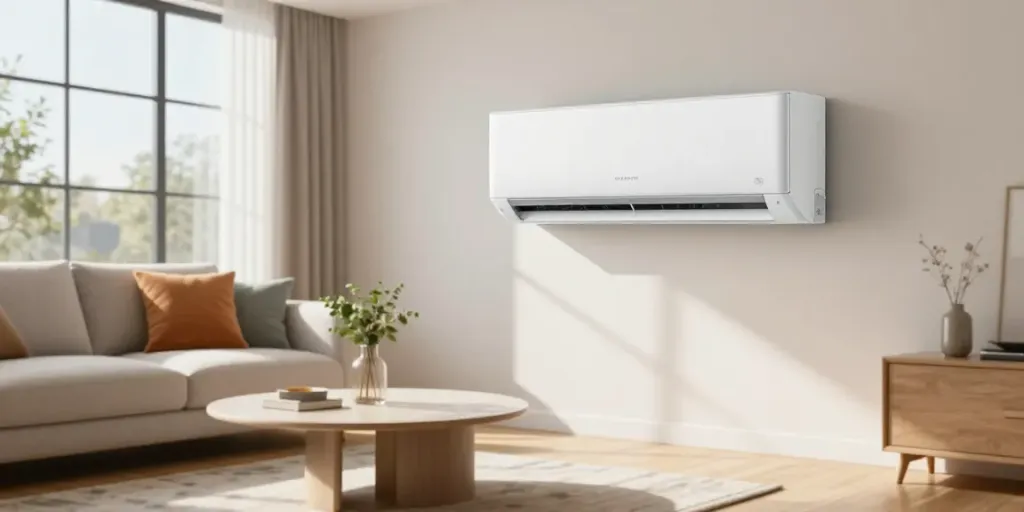
- Indoor Unit: The indoor unit, which can be wall-mounted, ceiling-mounted, or floor-mounted, circulates cool air into the room and contains the evaporator coil.
- Refrigerant Lines: These insulated lines connect the indoor and outdoor units, allowing refrigerant to flow between them, facilitating the cooling or heating process.
- Remote Control: Most mini split systems come with a remote control for convenient operation, allowing you to adjust temperature settings and fan speeds with ease.
How Mini Split Systems Work Efficiently
Mini split AC systems operate on the principle of heat exchange. During cooling mode, the refrigerant absorbs heat from the indoor air in the evaporator coil located in the indoor unit. The now warmer refrigerant is pumped to the outdoor unit, where it releases the heat into the outside air. This efficient heat exchange process is what makes mini splits a preferred choice for many homeowners and businesses looking to enhance comfort while reducing energy consumption.
Benefits of Mini Split AC Systems
Energy Efficiency and Cost Savings
One of the standout features of mini split AC systems is their exceptional energy efficiency. According to Energy Star, ductless systems can save homeowners up to 30% on energy costs compared to traditional HVAC systems. Additionally, because these units only cool the rooms in use, they minimize wasted energy associated with cooling unoccupied spaces. This translates into significant savings on electricity bills over time.
Versatility in Installation Options
Mini split systems offer unparalleled flexibility in installation, making them suitable for various applications. Whether you're retrofitting an older home without ductwork or adding HVAC to an extension, mini splits can be installed in nearly any setting. Indoor units can be placed high on walls, tucked into ceilings, or even mounted on floors, accommodating various room layouts and design preferences.
Improved Air Quality and Comfort
Unlike traditional systems, mini split AC units help improve indoor air quality. They often come equipped with advanced filtration systems that remove dust, allergens, and other pollutants from the air, resulting in a healthier living environment. Furthermore, because the systems provide targeted heating and cooling, they enhance comfort by maintaining consistent temperatures throughout individual spaces.
Common Challenges with Mini Split AC Systems
Installation Misconceptions and Costs
While mini splits present numerous advantages, misconceptions regarding installation costs can deter potential buyers. Though the initial investment may be higher than traditional AC systems, the long-term savings on energy bills often outweigh the upfront costs. It’s essential to evaluate total ownership costs over the lifespan of the unit.
Maintenance Considerations and Tips
Maintaining a mini split system is generally straightforward; however, regular upkeep is crucial to ensure optimal performance. Homeowners should clean or replace the filters every few months, keep the outdoor unit free of debris, and schedule professional maintenance at least once a year to inspect refrigerant levels and overall functionality.
Dealing with Noise Levels
Another consideration is noise, as some users may find the sound of the outdoor unit disruptive, especially if placed near bedrooms or quiet areas. However, many modern mini splits are designed to operate quietly, reaching sound levels as low as 19 dB, comparable to a whisper. When selecting a unit, it's vital to check the decibel ratings and choose one that aligns with your noise sensitivity.
Choosing the Right Mini Split AC System for Your Needs
Assessing Your Space's Cooling Requirements
Determining the appropriate size of your mini split system is critical. An undersized unit will struggle to maintain comfort, while an oversized system may lead to excessive cycling, reducing efficiency. To assess your needs, consider factors like room size, ceiling height, insulation quality, and climate. A professional HVAC technician can perform a load calculation to ascertain the needed BTU output.
Comparing Brands and Features
There are numerous brands of mini split systems available on the market, each with varying features and specifications. When comparing options, look for features such as inverter technology, energy efficiency ratings, warranty coverage, and user-friendly controls. A reputable brand usually offers robust customer support and reliable products, so take the time to research before making a decision.
Installation and Professional Services Overview
While some DIY enthusiasts may consider installing a mini split system themselves, it's often best to enlist a professional for installation. A licensed HVAC contractor ensures that the system is installed correctly and adheres to local codes. This professional installation can also help maintain manufacturer warranties and optimize system performance.
Future Trends in Mini Split AC Systems for 2026
Emerging Technologies in Cooling Efficiency
The mini split AC industry is experiencing continuous innovation, leading to more energy-efficient models with improved cooling capabilities. Look for systems featuring variable-speed compressors that adjust their output based on the cooling demand, which can further enhance energy efficiency and comfort.
Integration with Smart Home Systems
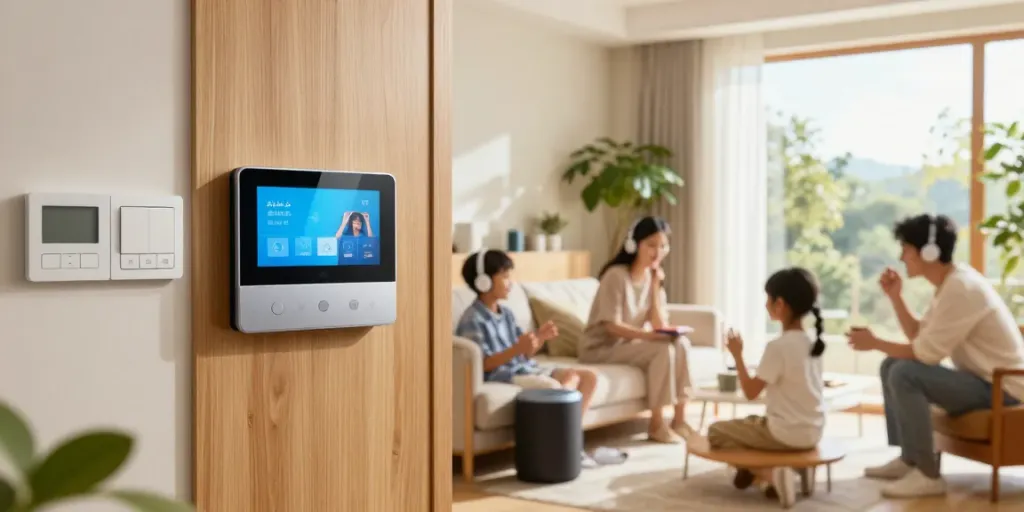
As smart home technology advances, mini split systems are increasingly compatible with home automation platforms. This integration allows homeowners to control their HVAC systems through smartphone apps, integrating with other smart devices for a truly connected living experience. Features like remote temperature adjustment and energy usage tracking can lead to even greater efficiencies.
Sustainability Trends and Eco-Friendly Options
The push for environmentally friendly products has led to the development of mini split systems that utilize refrigerants with lower global warming potential. Additionally, many manufacturers are focusing on creating systems that are more energy-efficient and have less impact on the environment, aligning with the growing consumer demand for sustainable technologies.
What are the downsides of a mini split AC system?
While mini split systems offer many advantages, they are not without disadvantages. Some potential downsides include initial installation costs, aesthetic concerns with indoor units, and the need for maintenance and cleaning more frequently than traditional systems. Additionally, proper installation is crucial to ensure optimal efficiency, as subpar installation can lead to performance issues.
What is the typical cost of installing a mini split system?
The cost to install a mini split AC system can vary significantly based on the size and complexity of the installation. On average, homeowners can expect to pay between $2,000 and $5,000, including equipment and labor. Factors influencing the total cost include the number of indoor units required, the length of refrigerant line needed, and any additional electrical work.
What is a mini split AC system?
A mini split AC system is a versatile heating and cooling solution designed to efficiently regulate temperatures in specific areas of a home or office. Its ductless design offers several benefits, including improved energy efficiency and the flexibility to heat or cool zones independently.
Why is my electric bill so high with a mini split?
If you notice high electricity bills despite having a mini split system, several factors could be at play. These might include improper sizing, inadequate insulation, or malfunctioning components. Regular maintenance and ensuring that the system is appropriately sized for your space are essential to maximize efficiency and minimize costs.